

When you hear the term Gen Z, you instantly picture teens scrolling through TikTok, creators setting trends on Instagram, and young adults rewriting the rules of modern work and digital culture. But what does Gen Z actually mean? And what is the full form of Gen Z that everyone on the internet keeps talking about?
At FullFormPedia, we believe every term should be explained in a way that feels simple, relatable, and genuinely helpful. So let’s break it down clearly, without complicated jargon, so you truly understand who Gen Z is and why this generation matters today.
What Is the Full Form of Gen Z?
Gen Z Full Form: Generation Z.
It refers to the group of people born roughly between 1997 and 2012, depending on the source. This generation comes right after Millennials (Generation Y) and before Generation Alpha.
Gen Z is often called:
- Zoomers
- iGeneration
- Digital Natives
- Post-Millennials
All these names reflect one central idea: This generation grew up in a world where smartphones, social media, and the internet were already a part of everyday life.
Who Exactly Belongs to Gen Z?
While different organizations list slightly different date ranges, most agree that Generation Z includes people born from 1997 to the early 2010s.
Commonly accepted timelines:
- Pew Research Center: 1997–2012
- McKinsey & Company: Mid-1990s to early 2010s
- Oxford Reference: Late 1990s to early 2010s
This means Gen Z members in 2025 are between 12 and 28 years old.
Why Are They Called Generation Z?
The name Generation Z simply follows the alphabetical sequence:
- Generation X
- Generation Y (Millennials)
- Generation Z
Some experts also say the name reflects the “end of the alphabet,” symbolizing the end of an old world and the beginning of a new, fully digital era.
Read More: WHO Full Form – What Does WHO Stand For?
Key Characteristics of Gen Z
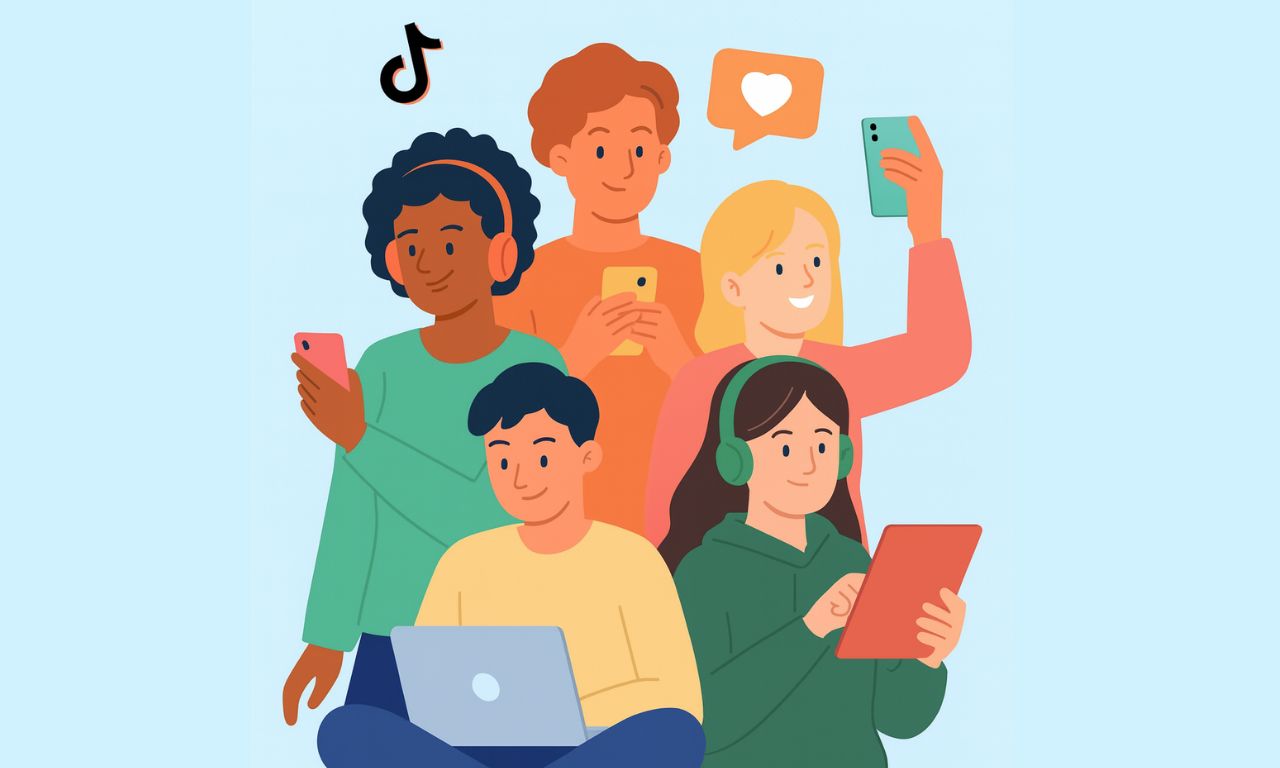
If Millennials introduced the world to digital culture, Gen Z perfected it. They are the first real Digital Natives, meaning they didn’t witness the rise of the internet—they were born into it.
1. Tech-Savvy from Birth
Gen Z doesn’t just use technology—they live technology.
Smartphones, TikTok, online learning, gaming, AI, smart devices—these are normal parts of their childhood.
2. Short-Form Communication
They love:
- Short videos
- Memes
- Slangs and abbreviations
- Fast, visually engaging content
This is why Gen Z slang such as “FR,” “no cap,” “slay,” “vibes,” and “bet” is trending across the internet.
3. Independent and Entrepreneurial
A large portion of Gen Z dreams of:
- Starting businesses
- Working remotely
- Becoming digital creators
- Building passive income
They prefer freedom, flexibility, and creativity over traditional work structures.
4. Socially Conscious and Aware
Compared to previous generations, Gen Z is more vocal about:
- Climate change
- Equality
- Mental health
- Ethical consumption
- Transparency
They support brands that stand for something meaningful.
5. Multitaskers With Digital Fluency
Gen Z can:
- Watch a video
- Chat with friends
- Scroll social media
- Browse e-commerce
—All at the same time.
This multitasking comes naturally because they grew up with overloaded digital environments.
Why Gen Z Dominates Today’s Digital Culture
It’s no secret: Gen Z sets trends. Whatever Gen Z picks up, the world follows.
Some reasons they dominate global culture:
- They decide what “goes viral.”
- They influence fashion, music, gaming, and entertainment.
- They are the largest consumer group for digital apps.
- Brands redesign marketing strategies to attract them.
- They shape conversations through reels, memes, and short content.
Whether it’s TikTok trends, gaming culture, K-pop fandoms, or meme language—Gen Z is the engine behind modern internet culture.
Gen Z Communication Style and Slang
One of the most interesting things about this generation is how they communicate. Their language is fast, casual, expressive, and heavily influenced by internet culture.
Popular Gen Z Slang & Short Forms
| Slang / Short Form | Meaning |
|---|---|
| FR | For Real |
| No Cap | No lie / Seriously |
| Bet | Okay / Sure |
| Slay | Doing amazing |
| IYKYK | If You Know, You Know |
| Vibes | Mood / Feel of something |
| FYP | For You Page (TikTok) |
| CEO of… | Best at something |
| OOTD | Outfit Of The Day |
These short forms make communication quicker and more fun, and also become cultural markers for Gen Z identity.
Gen Z vs Millennials: What Makes Them Different?
Although both generations are digital-minded, Gen Z is shaped by different historical and technological events.
Key differences:
| Factor | Millennials | Gen Z |
|---|---|---|
| Technology | Witnessed rise of internet | Born into high-speed internet |
| Communication | Emails, Facebook | TikTok, Snapchat, Instagram |
| Work Approach | Job stability | Flexibility & freelancing |
| Learning Style | Long-form content | Short, visual, fast |
| Buying Behavior | Brand loyalty | Value-driven & price-conscious |
Why Gen Z Matters Today
Whether you’re a business owner, marketer, educator, or content creator, understanding Gen Z is crucial because:
- They are the next major workforce.
- They influence buying decisions across industries.
- They define digital trends, memes, and viral culture.
- They push brands toward transparency and innovation.
- They are shaping the future of AI, gaming, and tech-driven careers.
In short, Gen Z isn’t just a generation—they are the new digital powerhouses redefining how society communicates and evolves.
Conclusion
The full form of Gen Z is Generation Z, a group of individuals who grew up in the digital world and now shape almost every online trend we see. Their unique communication style, use of slang, tech fluency, and global awareness make them one of the most influential generations of our time.
Read More: EVS Full Form: What Does EVS Stand For?
Frequently Asked Questions (FAQs)
1. What is the full form of Gen Z?
The full form of Gen Z is Generation Z, the group of people born roughly between 1997 and 2012.
2. Why is this generation called Gen Z?
Gen Z follows the alphabetical naming after Generation X and Y. It also represents a new era born into advanced digital technology.
3. What age group is Gen Z in 2025?
In 2025, Gen Z individuals are between 12 and 28 years old, depending on the commonly used timelines.
4. What are other names for Gen Z?
Gen Z is also known as Zoomers, iGeneration, Post-Millennials, and Digital Natives.
5. What communication style does Gen Z prefer?
They prefer short-form content, memes, emojis, reels, and internet slang such as “FR,” “vibes,” and “no cap.”
6. What makes Gen Z different from Millennials?
Gen Z grew up with smartphones and social media from childhood, making them more digitally fluent, trend-driven, and visually oriented than Millennials.
7. Which social media platforms are most popular among Gen Z?
Platforms like TikTok, Instagram, Snapchat, YouTube, and Discord are most preferred by Gen Z.
8. What comes after Gen Z?
After Generation Z comes Generation Alpha, referring to those born from 2013 onward.


